
Lead generation has undergone a dramatic transformation over the past decade. What began as a largely manual process dependent on cold calls, static forms, and generic email campaigns has evolved into a sophisticated, data-driven discipline powered by artificial intelligence.
Initially, businesses leveraged AI in simple ways, such as generating content from prompts or automating email responses. However, we are now entering a new phase: agentic lead generation.
Agentic lead generation represents a shift from passive tools to proactive, autonomous systems. Instead of waiting for human input at every step, AI agents can now plan, execute, analyze, and optimize lead generation workflows independently. This evolution is redefining how businesses attract, engage, and convert prospects.
In this blog, we’ll explore what agentic lead generation is, how it differs from prompt-based AI, the technologies enabling it, and why it’s becoming a critical advantage for modern businesses.
The Evolution: From Prompts to Intelligent Systems
The Era of Prompt-Based AI
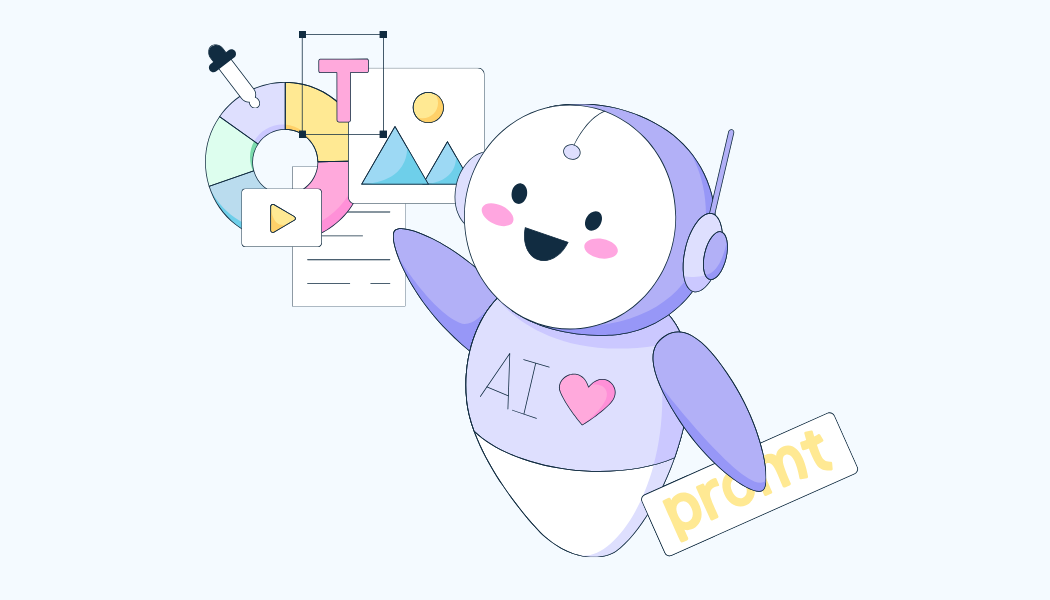
The first wave of AI adoption in marketing centered around prompt-based systems. Tools allowed users to input specific instructions such as “write a marketing email” or “generate LinkedIn outreach messages” and receive outputs instantly.
These systems delivered clear benefits:
- Faster content creation
- Improved scalability
- Reduced dependency on manual writing
However, prompt-based AI has limitations. It requires:
- Constant human input
- Clear instructions for every task
- Manual coordination across workflows
In essence, prompt-based AI acts as a tool, not a decision-maker.
The Shift Toward Agentic AI
Agentic AI introduces a fundamentally different approach. Instead of responding to isolated prompts, AI agents:
- Understand goals
- Break them into tasks
- Execute actions across systems
- Learn from outcomes
For example, instead of asking AI to “write an email,” a user could instruct an agent to “generate and nurture qualified leads for a SaaS product.” The agent then:
- Identifies target audiences
- Gathers relevant data
- Crafts personalized messaging
- Launches outreach campaigns
- Monitors engagement
- Optimizes performance
This marks the transition from task automation to workflow autonomy.
What is Agentic Lead Generation?
Agentic lead generation refers to the use of autonomous AI agents to manage and optimize the entire lead generation lifecycle from discovery to conversion without continuous human intervention.
Agentic lead generation goes far beyond traditional automation or prompt-based AI tools. It represents a new paradigm in which autonomous AI agents operate with intent, context, and adaptability to manage the entire lead generation lifecycle.
Instead of requiring continuous human input for every action, these systems are designed to understand broader business goals and execute strategies independently.
This shift marks a transition from instruction-based systems, where humans guide each step, to goal-driven systems that can plan and act on their own.
These agents operate with:
- Context awareness
- Goal-oriented behavior
- Adaptive learning capabilities
Rather than executing isolated actions, they function as digital team members that can make decisions based on data and feedback.
Check out our latest blog on: How Lead Generation Is Accelerated by Virtual Administrative Assistant?
Key Components of Agentic Lead Generation
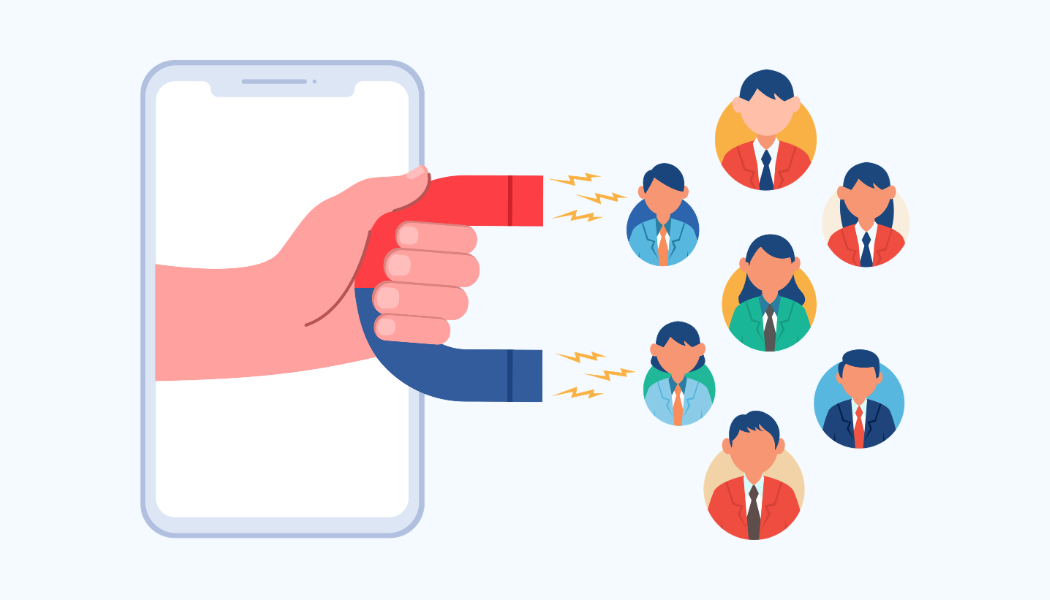
Key components of agentic lead generation work together to create a seamless, autonomous system that can manage the entire lead lifecycle with minimal human involvement.
At its core, it combines autonomous prospect discovery, where AI continuously identifies and updates high-potential leads, with intelligent qualification that evaluates prospects based on real-time behavioral and contextual data.
This is complemented by advanced personalization, enabling agents to craft highly relevant, tailored messaging for each individual.
Multi-channel execution ensures consistent engagement across platforms such as email, social media, and web interfaces, while continuous optimization allows the system to learn from performance data and refine its strategies automatically.
Together, these components transform lead generation into a dynamic, self-improving process that prioritizes efficiency, relevance, and scalability.
Let’s discuss key components here:
1. Autonomous Prospect Discovery
Traditional lead generation relies heavily on predefined lists or manual research. Agentic systems, however, can:
- Scan multiple data sources
- Identify high-intent prospects
- Continuously update lead databases
This ensures that businesses are always targeting the most relevant audience segments.
2. Intelligent Personalization
Personalization is no longer limited to inserting a first name into an email. AI agents can:
- Analyze behavioral signals
- Understand customer intent
- Generate hyper-relevant messaging
This results in communication that feels tailored and timely, increasing engagement rates.
3. Multi-Channel Execution
Agentic systems can operate across:
- Social media
- Websites
- Messaging platforms
They ensure consistency in communication while adapting messaging based on platform-specific dynamics.
4. Continuous Optimization
One of the most powerful aspects of agentic lead generation is its ability to learn. Agents can:
- Analyze campaign performance
- Identify patterns
- Adjust strategies in real time
This eliminates the need for constant manual optimization.
Technologies Powering Agentic Lead Generation
a. Large Language Models (LLMs)
LLMs provide the foundation for natural language understanding and generation. They enable agents to:
- Communicate effectively
- Generate content
- Interpret user intent
b. Machine Learning Algorithms
Machine learning helps agents:
- Predict customer behavior
- Score leads
- Optimize targeting strategies
c. API Integrations
Agentic systems rely on seamless integration with tools such as:
- CRM platforms
- Marketing automation software
- Analytics tools
This allows agents to execute tasks across multiple systems without friction.
d. Data Infrastructure
High-quality data is critical. Agentic systems depend on:
- Real-time data streams
- Clean, structured datasets
- Robust analytics pipelines
Benefits of Agentic Lead Generation
a. Increased Efficiency
By automating repetitive tasks, businesses can:
- Reduce operational costs
- Free up human resources
- Focus on strategic initiatives
b. Improved Lead Quality
Agentic systems use data-driven insights to:
- Target high-intent prospects
- Filter out low-quality leads
- Enhance conversion rates
c. Scalability
Unlike manual processes, agentic systems can scale effortlessly:
- Handle thousands of leads simultaneously
- Expand across markets
- Adapt to growing demands
d. Faster Response Times
Speed is critical in lead generation. Agentic systems can:
- Respond instantly to inquiries
- Engage prospects in real time
- Reduce drop-off rates
Use Cases Across Industries

Agentic lead generation has wide-ranging applications across industries by enabling businesses to identify, engage, and convert prospects more efficiently and intelligently.
In SaaS and technology, it helps target high-intent users and automate product adoption campaigns, while in e-commerce it enhances customer acquisition by analyzing browsing behavior and delivering personalized product recommendations and re-engagement strategies.
In healthcare, it can streamline patient inquiries, appointment scheduling, and follow-ups with contextual communication, and in real estate it assists in matching buyers with suitable properties while maintaining continuous engagement.
Across all these sectors, agentic systems bring consistency, speed, and data-driven precision, allowing organizations to scale their lead generation efforts while delivering more relevant and timely interactions to their audiences.
Let’s explore some of the use cases here:
a. SaaS and Technology
Agentic systems can:
- Identify companies showing buying signals
- Initiate outreach campaigns
- Nurture leads through automated sequences
b. E-commerce
In e-commerce, agents can:
- Track user behavior
- Recommend products
- Re-engage abandoned carts
c. Healthcare
Agentic lead generation can:
- Manage patient inquiries
- Schedule appointments
- Provide relevant information
d. Real Estate
Agents can:
- Match buyers with properties
- Follow up with prospects
- Automize property recommendations
Challenges and Considerations
Agentic lead generation, while powerful, comes with several important challenges and considerations that businesses must address to ensure effective implementation.
One of the primary concerns is data privacy and compliance, as these systems rely heavily on large volumes of customer data, making it essential to adhere to regulations and maintain secure data practices.
Additionally, over-automation can become a risk if not carefully managed, potentially leading to impersonal interactions that may reduce trust and engagement.
Integration complexity is another factor, as connecting agentic systems with existing CRM platforms, marketing tools, and data infrastructure often requires technical expertise and ongoing maintenance.
There is also the challenge of ensuring data quality, since inaccurate or incomplete data can significantly impact the performance and decision-making capabilities of AI agents.
Finally, organizations must consider the need for human oversight to guide strategy, maintain brand voice, and handle nuanced customer interactions, ensuring that automation enhances rather than replaces meaningful human engagement.
Some of the challenges are discussed here:
a. Data Privacy and Compliance
With increasing regulations, businesses must ensure:
- Secure data handling
- Compliance with privacy laws
- Transparent data usage
b. Over-Automation Risks
While automation is powerful, excessive reliance can:
- Reduce human touch
- Impact customer trust
- Lead to generic experiences
c. Integration Complexity
Implementing agentic systems requires:
- Technical expertise
- System compatibility
- Ongoing maintenance
Human + AI Collaboration
Despite its capabilities, agentic lead generation does not eliminate the need for humans. Instead, it enhances human roles by:
- Handling repetitive tasks
- Providing actionable insights
- Enabling better decision-making
Humans remain essential for:
- Strategic planning
- Relationship building
- Creative direction
The future lies in collaborative intelligence, where humans and AI work together seamlessly.
The Future of Agentic Lead Generation
As technology continues to evolve, agentic lead generation will become:
- More autonomous
- More accurate
- More context-aware
Future developments may include:
- Fully self-optimizing campaigns
- Predictive lead generation models
- Deeper integration with customer journeys
Businesses that adopt agentic systems early will gain a significant competitive advantage.
Practical Steps to Get Started
- Assess Your Current Lead Generation Process
Identify bottlenecks and inefficiencies. - Invest in the Right Tools
Choose platforms that support AI-driven automation. - Focus on Data Quality
Ensure your data is accurate and well-structured. - Start Small
Begin with specific use cases before scaling. - Monitor and Optimize
Continuously evaluate performance and refine strategies.
Conclusion
The transition from prompts to agents marks a pivotal moment in the evolution of lead generation. While prompt-based AI improved efficiency, agentic systems are redefining what’s possible by introducing autonomy, intelligence, and adaptability.
Agentic lead generation is not just a trend it’s a fundamental shift in how businesses approach growth. By embracing this new paradigm, organizations can unlock higher efficiency, better lead quality, and sustainable scalability.
As we move forward, the question is no longer whether businesses should adopt AI in lead generation, but how quickly they can transition from simple prompts to fully autonomous agents.
The future belongs to those who are ready to let AI not just assist but act.