
B2B marketing is entering a new era. Rapid advances in artificial intelligence, shifting buyer expectations, data privacy regulations, and changing digital behaviors are transforming how businesses connect with customers.
Strategies that worked a few years ago are quickly becoming outdated, forcing marketers to rethink how they generate leads, build relationships, and drive revenue.
In 2026, successful B2B marketing will not be defined by who sends the most emails or produces the most content. Instead, it will be driven by companies that deliver personalized experiences, leverage data intelligently, and create genuine value throughout the buyer journey.
As competition increases and buying cycles become more complex, businesses must adapt to a future where relevance, trust, and customer experience are more important than ever.
Here’s a closer look at the key trends and strategies that will shape the future of B2B marketing in 2026.
1. AI Will Become the Core of B2B Marketing
Artificial intelligence is no longer just a supporting tool it is becoming the foundation of modern marketing operations.
In 2026, AI will play a major role in:
- Content personalization
- Predictive analytics
- Customer segmentation
- Lead scoring
- Campaign optimization
- Conversational marketing
- Sales forecasting
AI-powered systems can analyze large amounts of customer data in real time, helping marketers deliver highly relevant experiences at scale.
Personalized Marketing at Scale
One of AI’s biggest advantages is its ability to personalize communication for different audiences automatically.
For example:
- A CFO may receive ROI-focused messaging
- A technical buyer may see product integration details
- A procurement manager may receive pricing and compliance information
This level of personalization improves engagement and increases conversion rates.
What Businesses Should Focus On?
To stay competitive in 2026, companies should:
- Invest in AI-powered marketing platforms
- Use predictive analytics for lead prioritization
- Automate repetitive marketing tasks
- Combine AI efficiency with human creativity
The future belongs to marketers who can use AI strategically without losing authenticity.
2. First-Party Data Will Become a Competitive Advantage

The decline of third-party cookies and increasing privacy regulations are forcing businesses to rethink their data strategies.
In 2026, first-party data will become one of the most valuable assets in B2B marketing.
What Is First-Party Data?
First-party data is information collected directly from customers and prospects through:
- Website interactions
- CRM systems
- Email engagement
- Event registrations
- Surveys
- Product usage behavior
Unlike third-party data, first-party data is more accurate, privacy-compliant, and trustworthy.
Why It Matters?
Businesses that build strong first-party data ecosystems will have a significant advantage in personalization and audience targeting.
Marketers will need to focus more on:
- Building trust
- Collecting consent-based data
- Creating value-driven interactions
- Improving CRM integration
The Shift Toward Privacy-First Marketing
Consumers and businesses are becoming more cautious about how their data is collected and used. Transparency and ethical data practices will become essential for maintaining customer trust.
3. Buyer Journeys Will Become More Complex
B2B buying decisions are becoming increasingly complicated.
Modern purchases often involve:
- Multiple stakeholders
- Procurement reviews
- Security evaluations
- Budget approvals
- Compliance checks
As a result, buying cycles are becoming longer and more research-driven.
Self-Educated Buyers Are Changing the Funnel
Today’s buyers complete extensive research before speaking with sales teams. They compare vendors, read reviews, attend webinars, and consume educational content independently.
This means B2B marketers must engage prospects much earlier in the buyer journey.
What Businesses Should Do?
Successful companies in 2026 will:
- Create educational content ecosystems
- Use lead nurturing strategies effectively
- Personalize messaging for different stakeholders
- Maintain consistent communication throughout long sales cycles
The brands that educate buyers effectively will build stronger trust and influence purchasing decisions earlier.
4. Omnichannel Marketing Will Become Essential
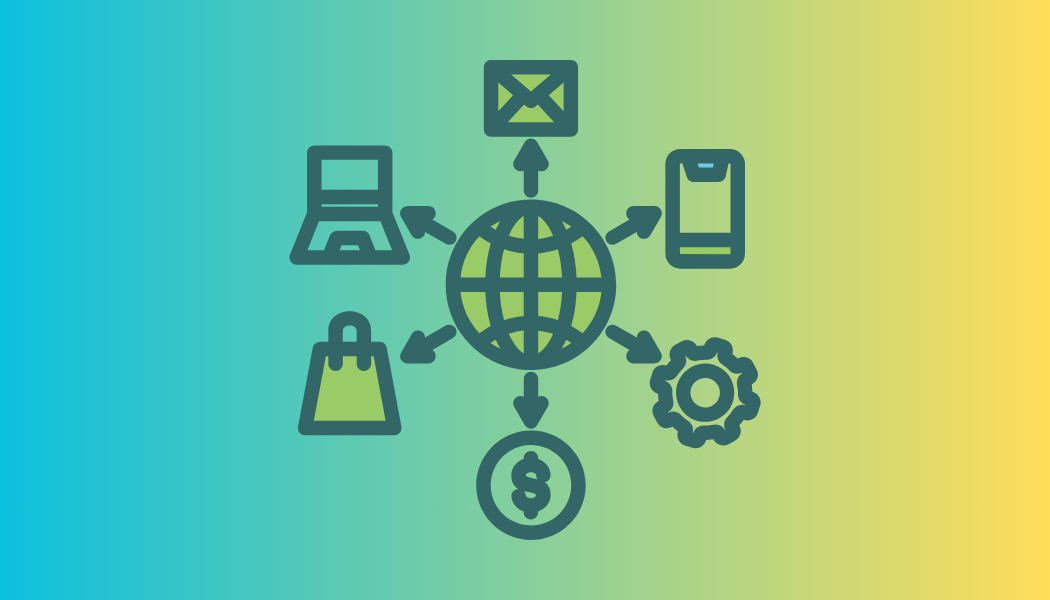
B2B buyers no longer interact with brands through a single channel.
A prospect might:
- Discover your brand on LinkedIn
- Visit your website through Google
- Download a whitepaper
- Attend a webinar
- Engage with a retargeting ad
- Speak with a sales representative
This fragmented journey requires businesses to deliver a seamless experience across multiple touchpoints.
Key Channels in 2026
Successful B2B marketers will combine:
- Email marketing
- LinkedIn marketing
- Webinars
- Paid advertising
- Video marketing
- Podcasts
- Conversational AI
- Community engagement
Why Omnichannel Matters?
Consistent cross-channel experiences improve:
- Brand recognition
- Customer trust
- Engagement rates
- Lead conversion
Businesses that fail to integrate channels may struggle to maintain buyer attention.
5. Content Quality Will Matter More Than Content Volume
AI tools have made content creation faster and easier than ever before. However, this has also created content saturation.
In 2026, businesses will compete not on how much content they publish, but on how valuable and differentiated their content is.
What Buyers Want?
Modern B2B audiences are looking for:
- Actionable insights
- Industry expertise
- Real-world examples
- Authentic thought leadership
- Data-driven analysis
Generic content will no longer stand out.
The Rise of Authority-Based Content
Brands that consistently produce high-quality educational content will build stronger authority in their industries.
Effective content formats include:
- Research reports
- Case studies
- Expert interviews
- Original data studies
- Interactive tools
- Video explainers
6. Revenue Marketing Will Replace Vanity Metrics
In the past, many marketing teams focused heavily on metrics such as:
- Website traffic
- Social media likes
- Email open rates
While these metrics still matter, businesses in 2026 will prioritize revenue-focused outcomes instead.
Key Metrics That Will Matter
B2B organizations will increasingly measure:
- Pipeline contribution
- Customer acquisition cost (CAC)
- Customer lifetime value (LTV)
- Marketing-sourced revenue
- Sales-qualified leads (SQLs)
- Conversion efficiency
Why This Shift Matters?
Companies are under pressure to improve revenue efficiency and prove marketing ROI. As budgets tighten, marketing teams must demonstrate direct business impact.
7. Human-Centered Marketing Will Become More Important
As automation and AI become more widespread, authentic human connection will become a major differentiator.
Buyers still value:
- Trust
- Expertise
- Transparency
- Personalized communication
- Genuine relationships
The Balance Between AI and Human Interaction
The future of B2B marketing is not about replacing humans with automation. Instead, it’s about combining:
- AI-driven efficiency
- Human creativity
- Strategic thinking
- Relationship building
Businesses that maintain a human-centered approach while using technology intelligently will build stronger long-term customer relationships.
8. Account-Based Marketing (ABM) Will Continue to Grow
Account-Based Marketing remains one of the most effective strategies for B2B growth, especially for enterprise-level sales.
Rather than targeting broad audiences, ABM focuses on:
- High-value accounts
- Personalized outreach
- Custom content
- Multi-stakeholder engagement
Why ABM Works?
ABM aligns marketing and sales around shared revenue goals while improving personalization and conversion rates.
The Future of ABM in 2026
Modern ABM strategies will increasingly use:
- AI-driven account insights
- Intent data
- Predictive analytics
- Automated personalization
- Real-time engagement tracking
Final Thoughts
The future of B2B marketing in 2026 will be shaped by intelligence, personalization, trust, and customer experience.
Businesses that succeed will be those that:
- Embrace AI strategically
- Prioritize first-party data
- Build omnichannel experiences
- Focus on revenue impact
- Deliver valuable content
- Maintain authentic human relationships
The B2B marketing landscape is evolving rapidly, but one principle remains constant: buyers want relevant, helpful, and trustworthy experiences.
Companies that adapt to these changing expectations will not only generate more leads but also build stronger customer relationships and long-term competitive advantages.